Kleptolecty
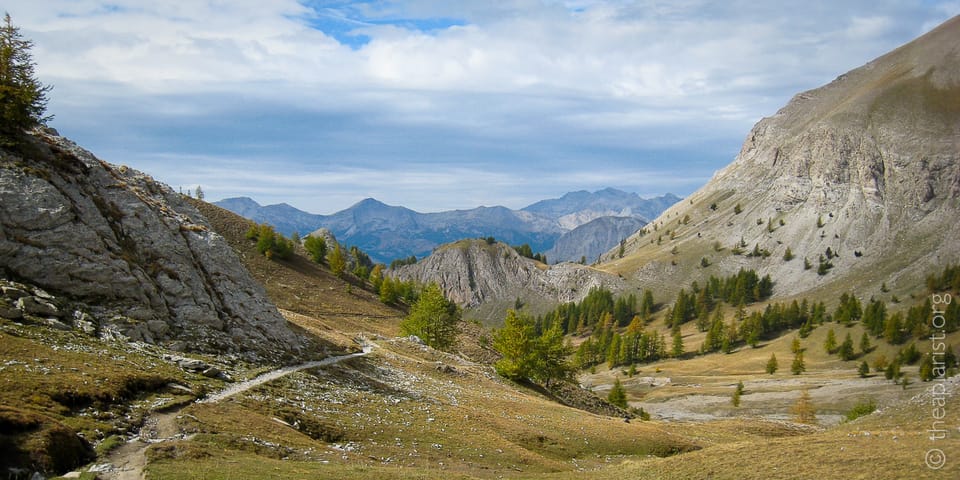
Storm Boelo rampaged through here last Saturday, stripping the leaves from the trees, flailing the hedges and making me thankful I'd strapped all my spare broods and supers down securely.
Had I not done so, it would have looked like a bad Jenga defeat, and I'd have still been clearing up when another low pressure system rumbled through on Tuesday.
It's been a windy few days.
On Sunday, once the wind had dropped to a zephyr-like ~30 mph, I embarked on a quick tour of my apiaries to check everything was still upright.
This is usually a 25-mile circuit, but local road closures (for a half-marathon) made it 50% longer and only achievable in an anti-clockwise direction.
I couldn't get to one apiary because of the wheezing runners, but all was well in the others.
Although it was still very windy, the sky had cleared, the sun was out, and the woods and hedgerows were filled with red and gold autumn colours … at least, those that hadn't been stripped bare by the wind.
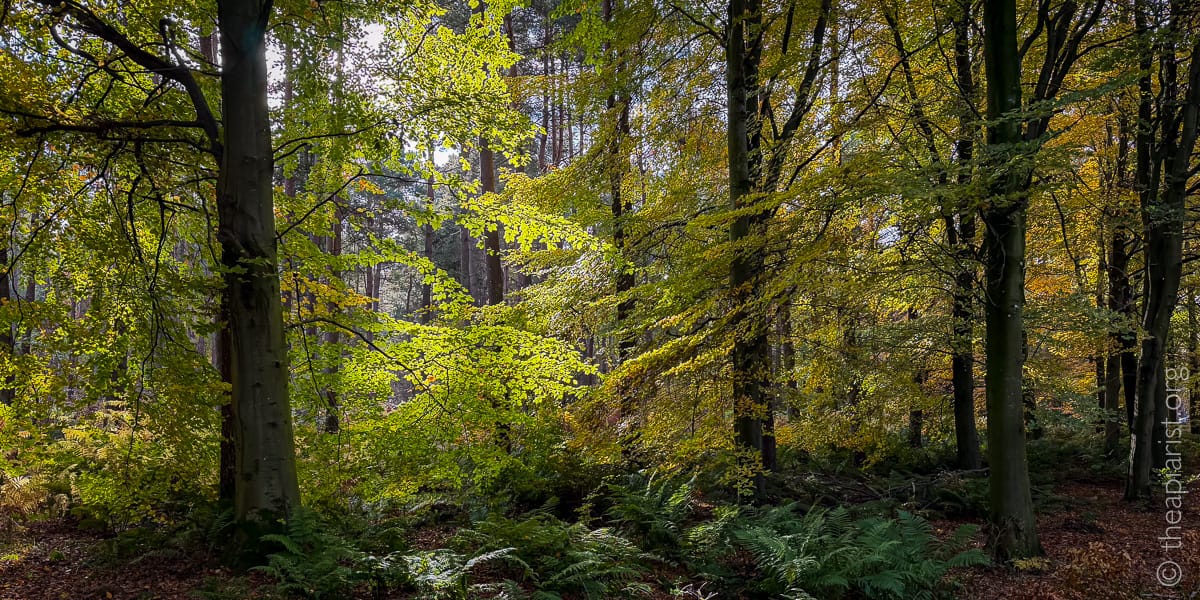
Unfortunately, while I was out, the 'going-nowhere-slowly' road we live on had been abbreviated to a 'going-nowhere' road. A freak gust had felled a sycamore, blocking the road completely, and bringing down the telephone cables. The same gust had sheared 5 metres off the top of a large willow on the opposite side of the road.
Since the clockwise return 37-mile trip was still clogged with wheezing runners, I wiggled through a field, crossed a farmyard, and regained the road as the stockman, chainsaw, and tractor arrived to tidy up the mess.
Foraging distances
This area is mixed agricultural land; there's extensive cattle grazing on the higher ground, with the richer valley floor and sides filled with wheat, oil seed rape, potatoes, and oats.
In between the fields, many with wide margins, are numerous hedgerows, small copses, more extensive areas of woodland (both mixed deciduous and plantations), and rough ground.
The farmers also plant a reasonable amount of pollinator-friendly mixed cover crops.
Consequently, there's usually ample pollen and nectar available for the bees, and the 'June gap' is rarely so extensive that colonies need to be fed {{1}}.
The loss of a couple of trees is therefore irrelevant for the honey bees that forage in this area.
This is helped by the low density of managed hives around here. The National Bee Unit's BeeBase indicates there are only ~25 apiaries within 10 km, less than 10% of the density in the part of the Midlands where I started my beekeeping.
Honey bees typically forage within a couple of kilometres of the hive, though they can fly much further if local resources are limiting. Studies from the US and UK have provided good evidence that foraging can occur 8–13 km from the hive.
However, a law of diminishing returns applies, meaning most nectar collected is used to fuel these longer foraging flights rather than directly benefitting the colony.
In contrast, solitary bees and bumblebees have much shorter foraging ranges which are related to their body size and level of eusociality; perhaps ~100 metres for the smallest solitary species, and ~750 metres for the larger, social, bumblebees like Bombus terrestris {{2}} (Greenleaf et al., 2007, Kendall et al., 2022).
Why not become a sponsor?
Sponsors receive weekly posts on bees and beekeeping, ~50% of which are for sponsors only. Sponsorship costs less than a coffee and a slice of flapjack a month … or less for an annual membership.
These reduced ranges mean that the loss of specific forage is much more likely to impact local populations of small solitary bees. These don't have the option to fly across the valley, or even to the other side of the field.
Seasonality
Of course, the loss of early-season willow or mid-May sycamore pollen and nectar will only have an impact during that part of the season in which the trees flower. Their absence in late July is irrelevant.
There's a seasonality to pollen/nectar (henceforth 'resources' for convenience) availability.
But many small solitary bee species also exhibit a marked seasonality in their life cycle. Unlike honey bees, their flying period may be restricted to only few weeks of the year.
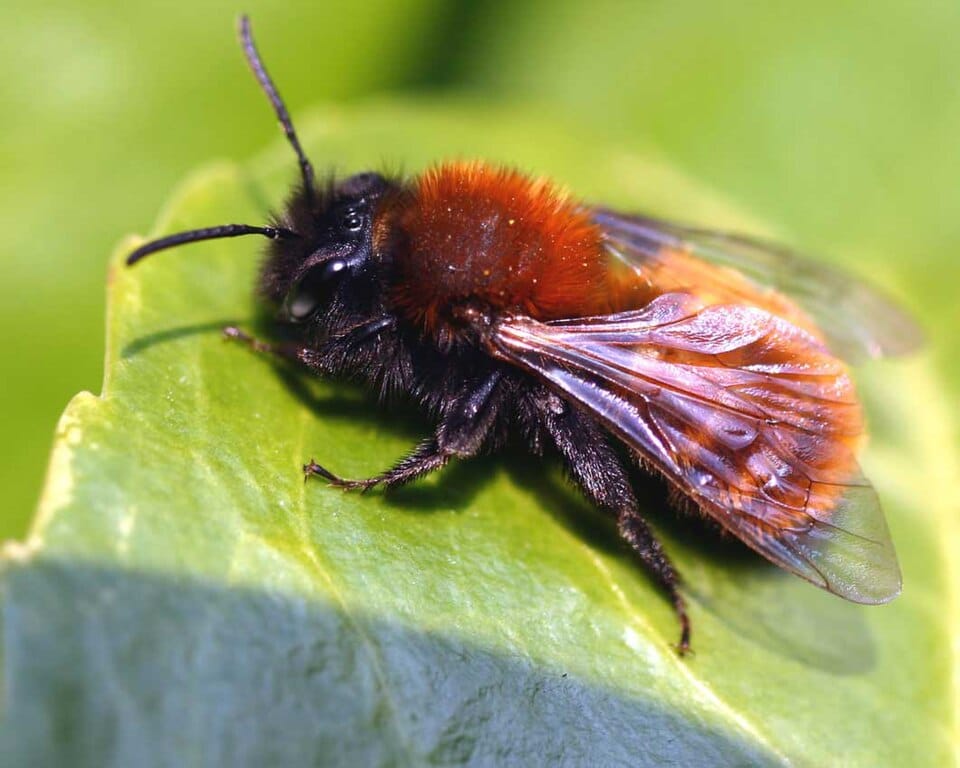
For example, the ground-nesting tawny mining bee (Andrena fulva) flies from March to late May, and is known to forage on willow and sycamore.
If the local resource disappears, and there's nothing to replace it, so will the bee 😞.
Competition
Regular readers and those who keep abreast of topics like biodiversity, habitat destruction and pollinators, will be aware of the ongoing discussions about adverse competition by honey bees on other bees (and non-bee pollinators) with which they share the environment.