Talking the talk
In early March 2020 I went to Oban on the west coast of Scotland to talk to the local beekeeping association about Varroa management.
At the pre-talk meal {{1}} I said it was probably my last in-person talk as a 'lockdown' would inevitably soon be imposed.
I was wrong, but only by three weeks {{2}}.
The 'stay-at-home' order, to reduce COVID-19 transmission, was introduced on the 23rd of the month.
I was also wrong because during the intervening period I talked (on queen mating and polyandry if I remember correctly) at the SNHBS AGM; attendees were already keeping their distance, not shaking hands and giving a very wide berth to anyone coughing. It was the Covid phony-war period, but everyone knew that seismic changes were imminent.
Other than (again) demonstrating that I can be wrong about several things simultaneously, these events were the beginning of a fundamental change to the way society — and, of relevance to this post, societies — work.
That first lockdown and the subsequent ~14 months of intermittent restrictions on social mixing marked the beginning of online talks to beekeeping associations {{3}}. Since then, I've given ~120 talks, about 98% of which have been online. In the early 2020s this was enforced, more recently it's through choice.
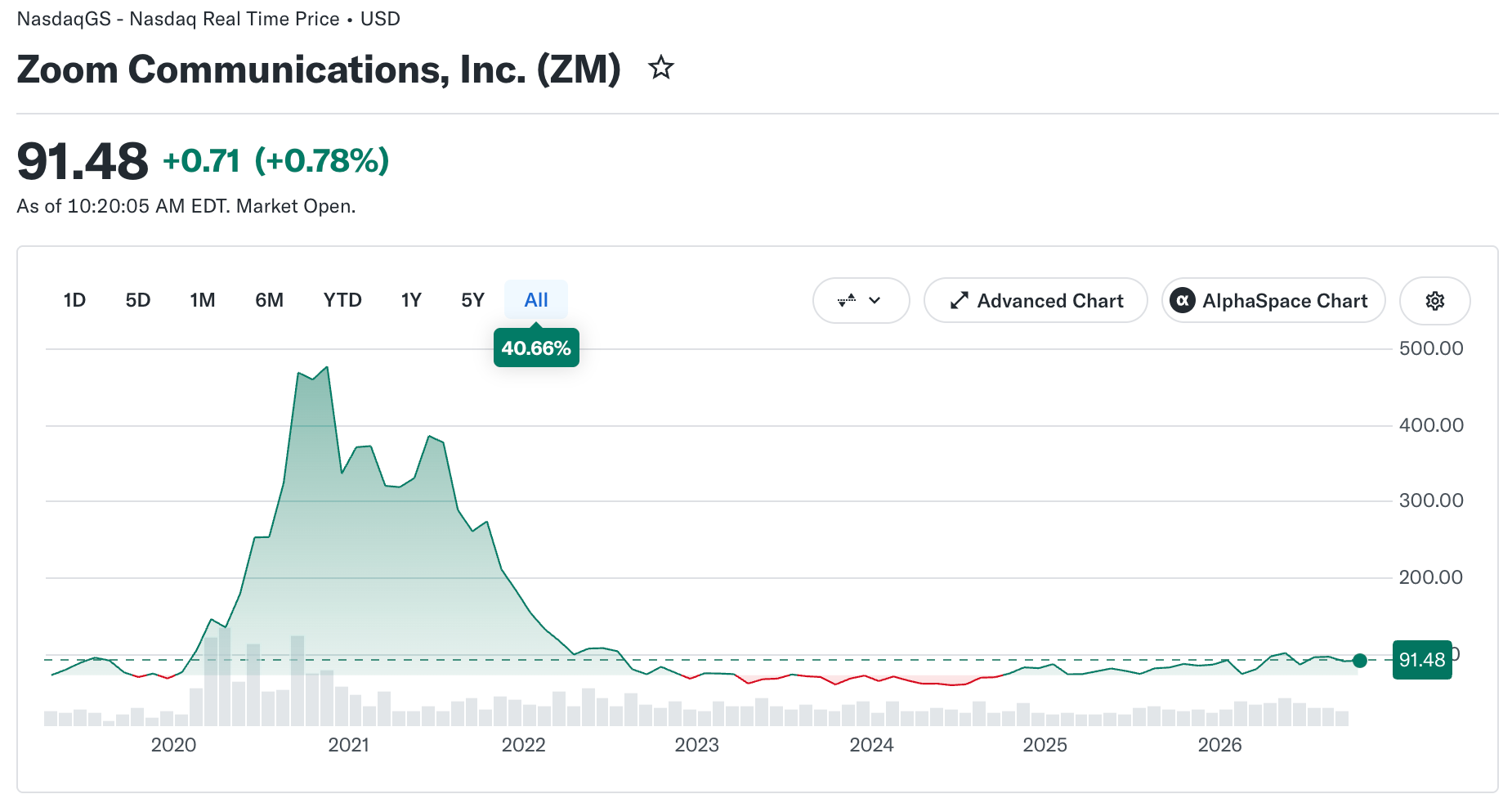
Now, more than half a decade after that Oban talk, I'm about to start the first of my winter talks to beekeeping associations, all but one to my local association will be online. The talks where I'm on the other side of the microphone, on beekeeping, wildlife and birdwatching, will also predominantly be online.
These changes have been both beneficial and detrimental. Although I know many hanker for the 'good old days', when everyone met for a natter and a cup of tea, overall I think the benefits outweigh disadvantages … for both speakers and those in the audience.