Spring medley
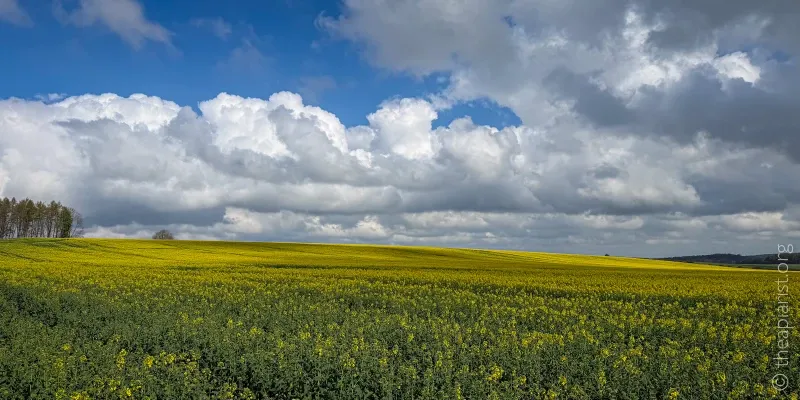
We're still in that 'frame-building' part of the season I referred to last week. A bit too cold to open the hives for long, but still very pleasant to be outside working in the sunshine.
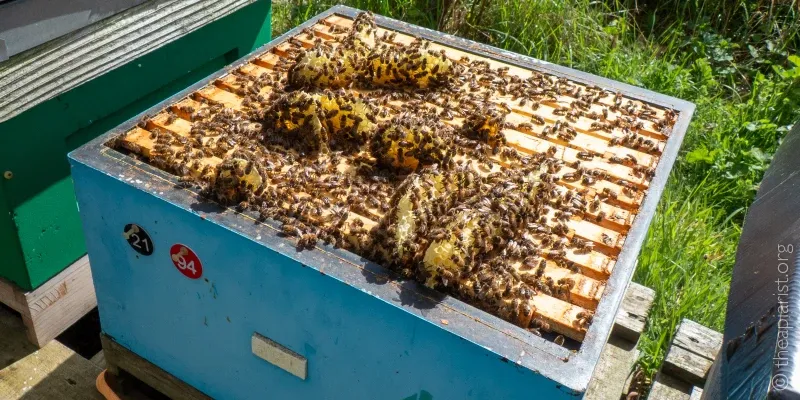
I have opened my hives, but as the afternoon cooled the foragers returned en masse and their compliant acceptance of my meddling segued to mild resentment.
I did what I had to, and closed them up pronto.
Other than one queen who appears to be on a 'go slow', with little brood in the box, all the hives are thriving. I'm going to give the slow queen the benefit of the doubt {{1}} and call it 100% overwinter survival.
The popular press have picked up the 'devastating winter losses' story now, so it must be true. Perhaps I'm one of those freak outliers that confounds proper statistical analysis?
It will be interesting to see what the BBKA or SBA winter survey results show … though without validation it's unlikely to be particularly illuminating.
Inevitably, the weather will be the blamed. For once, that might be correct, though not for the obvious reasons. I wrote about this in March in response to questions I was getting during winter talks.
 David (The Apiarist)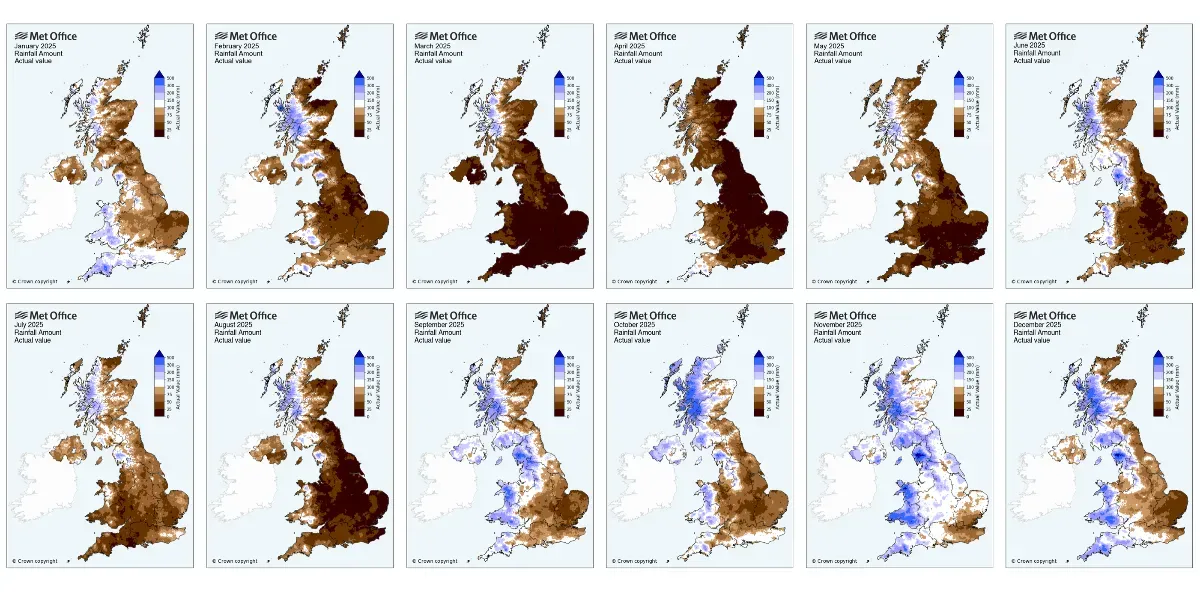
As I've said many times before … I only really believe it's something other than Varroa if it's obvious it's something other than Varroa.
The weather might have been involved, but it wasn't the cause.
Anyway, let's move on.
First impressions
Just because my hives were thriving doesn't mean they were equally strong.
Broadly they fell into two groups; the native/near-native dark bees and the yellower Heinz '57 varieties' mongrels. The latter were stronger, some with 9+ frames of brood in all stages, which — unusually for me — have now been Demaree'd (more on that in a future post).
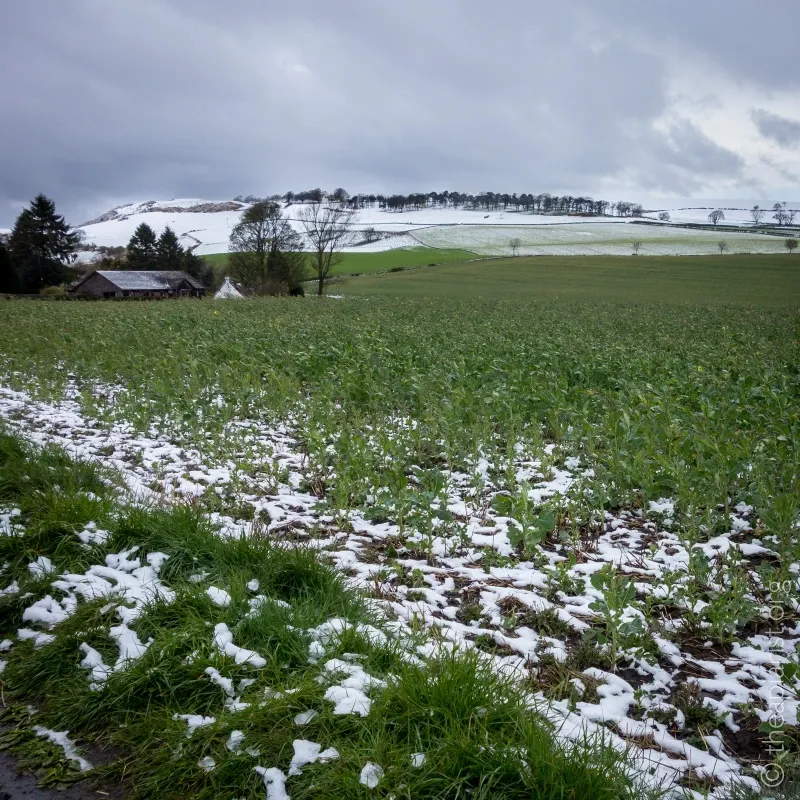
The weather is now set fair, with the first warm high pressure system wafting in from the Azores. The 'natives' should soon catch up.
However, if we'd had a fortnight of rain/sleet/snow (not unheard of in late April or even early May), the Heinz bees would have probably starved {{2}}.
The local OSR is probably about 30–40% in flower now. If you look obliquely across the fields it's a dazzling yellow, but if you look down on a patch (or if you're looking onto a sloping field) the gaps are obvious.
The strongest hives are very busy collecting pollen, and have some fresh nectar in the box, but I've only supered a few colonies so far.
Having partly regained the use of my battered thumb {{3}} I can now grip gimp pins again, so I'm busy completing the last of my frame building.
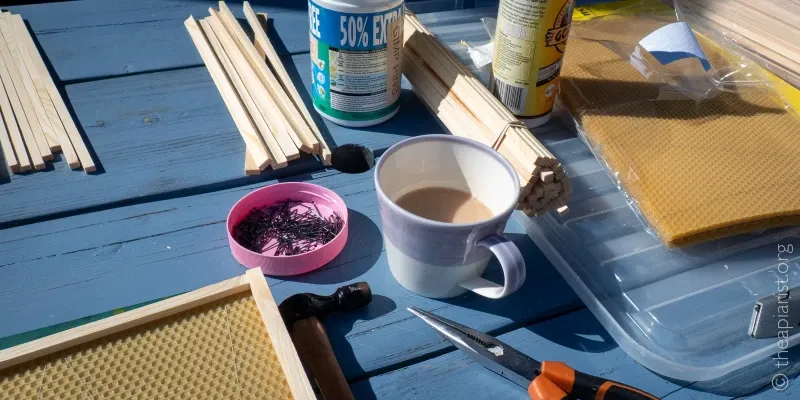
It's wonderful to work outside, with a cup of tea, a row of pins held between my lips, the smell of fresh foundation, the odd inquisitive bee buzzing about, and the sound of skylarks reciting their medley of springtime hits.
Just remember to finish nailing in the foundation, and use all the gimp pins, before taking a slurp of tea 😉.
Sponsors get more … posts, news, and information on the science, art, and practice of sustainable beekeeping. They also have access to over a decade of legacy posts, and ensure The Apiarist continues to appear every week.
Bait hives
Swarming will start here within the next month, so (in my area of the Scottish Borders at least) now is the time to prepare and set out bait hives.
I recovered some old, empty, dark frames during the colony inspections last weekend, retrieved the bait hives from the pile, brushed off the cobwebs, and put everything together.
So, where to place them?