The Apiarist in 2025
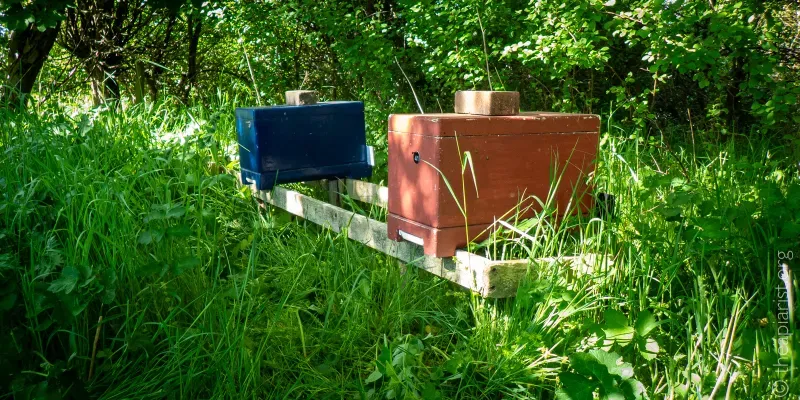
Historically the last post here before the Christmas holiday has been about “what's hot, and what's not?” on The Apiarist.
This makes two audacious assumptions:
- That anything to do with beekeeping could be considered 'hot'. Think about those ill-fitting beesuits, the pervasive smell of smoke (or thymol), and the response most civilians have to 25,000 flying, stinging, insects. 'Hot' might be seriously over-egging things. However, lower your expectations. If you assume 'hot' means popular — as in pages viewed, posts read, or comments left — then there may be a little mileage in the “what's hot, and what's not?” subtitle of this post. Which brings me to the second assumption …
- That I have the fine-grained statistics that separates the 'Massive!' from the 'Meh', or can distinguish between 'opened and deleted' from the 'read and enjoyed'. There is a difference.
Decades ago, at the dawn of the internet, you'd often see a visitor counter lurking in a webpage footer. If you reloaded the page, the number would increment.

The most popular pages on a website were the ones with the highest counts. Right?
Wrong.
Decades ago — minus about 3 days — things like browser cache's, content delivery systems, cookies, and a host of other things appeared that made counting page visits a non-trivial exercise.
Accompanying them came bots, spiders, page-scrapers, indexers, and a plethora of non-human visitors, wanted and unwanted.
Google Analytics cuts through all this; it counts page visits, it distinguishes between bots and beings, it tracks you from page to page (and everywhere else 😞), and it uses all that to generate colossal profits for Alphabet from targeted advertising.
However, since I'm reluctant to use a product from a company that pays less tax than I do, I have to use other means to determine which of my weekly scribblings has resonated with you, the readers of The Apiarist.
And this is somewhat complicated by the shift ~20 months ago from an online-only format to a newsletter-based blog for The Apiarist.
Received ≠ opened ≠ read ≠ enjoyed
For the non-mathematicians in the audience, ≠ means 'does not equal'.
If you have signed up as a subscriber (Thank you!) you'll probably receive the weekly newsletter. Whilst I can tell which newsletters are never received (because the email address is wrong, or the inbox is full {{1}}), there's no totally-foolproof way to determine if the email was opened, and — assuming it was — read.
And that's still a long away from working out whether the recipient found it interesting, informative, entertaining, or useful.
So, like my DIY, I bodge it. Rather than sell my soul (together with my first and second born children) to Google … I accept the deficiencies in the numbers, and use proxies where I can that indicate whether the content on The Apiarist is valued.
All other things being equal, if a post is more popular, the content is likely to have been 'interesting, informative, entertaining, or useful'.
It's an imprecise science, but after a career as an imprecise scientist, I'm well qualified to do things like this 😉.
During 2025, subscriber numbers increased ~20%. A respectable increase, and not dissimilar to the last few years. As a consequence, I now send out in excess of 150,00 newsletters annually.
Of course, I'm under no misapprehension that all are read … but the best figures I have indicate that ~60% are at least opened (range ~40-72%, depending upon the topic and the time in the season).
However, one thing I can reliably count is how many people follow links within the newsletter to other sites, either things I've written, or to other stuff on the internet. On average ~10-12% of subscribers follow links {{2}}.
Sponsors — who are also increasing in number 😄 — are much more likely (~80%) to open the newsletters they receive, and ~20-25% of them follow links within the newsletter. I don't find this surprising; they're also more likely to engage with comments.
Sponsors are due a particularly big Thank You!, as it is their contributions that ensure the lights stay on, and the disks remain spinning … without them, you'd have to make do with some regurgitated AI slop from somewhere else (on which, more later).
Visitors
Where do new subscribers and sponsors come from?
Some from personal recommendation. Posts now carry an “if you found this interesting” sharing 'thingy' at the end of the post, like this:


However, the majority arrive from Google, or similar, web searches. Interestingly, Google's slice is decreasing (now just over ~50%) as AI-driven searches increase.
Depending upon the stage of the beekeeping season (remembering that most visitors are from the Northern Hemisphere) 20,000–60,000 visitors a month view The Apiarist.
Inevitably some of these will be bots not beings, but the page counts I trust use a variety of tricks to exclude anything that lacks a pulse.
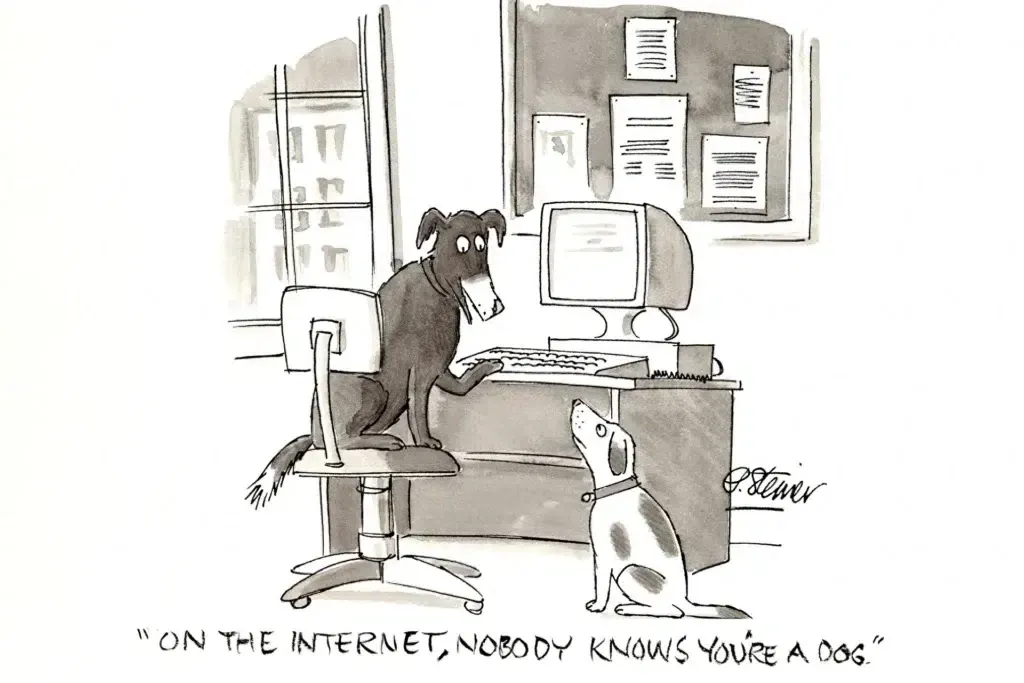
'Pulse' I can manage, distinguishing between dogs and sentient humans is currently beyond me.
So, taking all that into account, this allows me to work out — at least in general terms — what's valued by readers (whether subscribers, sponsors, or new to the site).
Why does this matter?
The main reason is to justify the effort put into the writing, and to ensure that what is written usually benefits the reader.
3,000+ words a week takes several hours to write. None of it is regurgitated by ChatGPT, and lots of it involves additional reading around the topic to make sure the content is relevant, as correct as I can make it, topical and reasonably comprehensive.
Why not write less?
Beekeeping, despite being simple in principle, is difficult in practice.
Consider a post on swarm control … a simple instruction to “leave only one queen cell” is easy to write, but leaves unanswered the inevitable questions, like:
- Which queen cell? Open or closed? Where on the frame? Which frame?
- Why only one queen cell? What if the queen gets eaten on a mating flight?
- What is a queen cell? Is it the same as a swarm cell?
- What happens if I leave more than one? And what if I leave one open and one sealed?
Can you answer all those questions in a sentence or two?
And the science (which underpins a lot of the posts) is not only complicated, but is also often tricky to present in a way that's accessible to non-scientists.
Honey bees are fascinating and well-studied insects, and beekeeping ignores huge swathes of what we now know about them.
I try to make a small contribution to improve that situation.
All of which means that posts tend to contain caveats, additional explanations, either/or scenarios, qualifications that involve the weather, or the latitude, or the time of the season, or the abilities of the beekeeper … i.e. more words.
I enjoy the writing, but if it wasn't read, I'd do something else with my time.
Anyway, enough preamble, what have been the most popular posts on The Apiarist in 2025?
Top of the posts
The first thing to remind you of is that there is a 'back catalogue' of ~600 posts dating back to about 2013.
A few of these are perennially popular.
Sometimes this is because they remain entertaining, informative, timely, or insightful.
Or, like Mad Honey, because they have the same title as a bestseller from Jodi Picoult, and seem to offer an irresistible mélange of sweetness, hallucinatory psychoactivity and medicinal properties.
But predominantly the hallucinatory psychoactivity.
 David (The Apiarist)
This post is too old to have a summary, but if it wasn't, it would mention rhododendron.
Inevitably, visits to some pages in the back catalogue wildly outnumber the number of times something published last month has been read. That's not comparing like with like. Particularly if the recent post was only sent to sponsors.
In reverse order, the five most popular posts with visitors were:
- The nucleus method (1.5% {{3}}): my favourite method of swarm control. Minimal amounts of equipment, highly dependable, and very adaptable. I don't know why more beekeeping associations don't teach this instead of the Pagden method. In particular, I think it's a lot easier for new beekeepers to comprehend. What's more, in discussions with beginners, they agree 😉.
- Timing is everything (1.9%): a post on the development cycle of honey bees. A proper understanding of this underpins all successful swarm control and queen rearing methods. If you can understand the timings, you can work out many things about the colony from first principles.
- Mad honey (2.1%): last year this was the second most visited page on this site. It would have been higher than third this year had I not got sick and tired of people generously offering me adverts to place on the page. In August, I buried it behind the paywall so it's now only available to sponsors. Despite this, I still receive irregular emails from mad honey producers who have 'read the page with interest' and wondered if I could host backlinks to their extensive range of mad honey products {{4}}. Er, no.
- The ultimate hive stand? (2.2%): one of my few blatant 'clickbaity' titles, with the question mark indicating my scepticism. However, it is a good hive stand, particularly on uneven ground. New scaffold jacks — used for the adjustable legs — seem to have rocketed in price recently (though probably not in response to increased demand due to this post), but they are still available secondhand if you search.
- Demaree swarm control (3.9%): a post dating back to 2019 … or 1892 if you consider the original method. This was supposed to be updated this year. That didn't happen, largely because my goal of making bees this season meant swarm prevention and control were largely unnecessary (and I forgot 😉). Although the title states swarm control, it is of course a swarm prevention method, and is tagged as such. Lookout for a rewrite in 2026. Perhaps.
The top posts of 2025
This is the first full year when new posts have been 'delivered' as newsletters. Since the first post (on DWV in spiders) appeared on the 2nd of January, there have been 65 posts. Thirty were for sponsors only, with 19 for subscribers and 16 with no access restrictions.
I've lost count of the number of words I've written this year {{5}}. The website software (Ghost) provides an indicative reading time for posts, and these total 854 minutes for 2025 … that's over 14 hours.
If you've read them all, my commiserations well done 😄.
The number of 'free' posts (i.e. accessible without any form of subscription) will likely be reduced in 2026 as AI-generated 'slop' increasingly dominates the internet.
I see no point in writing freely-accessible stuff only for it to be scraped up by AI bots, rehashed, mis-cited and regurgitated {{6}}, at the same time as my copyright is flouted.
If the AI bubble doesn't burst first, I expect 2026/27 will see increasing amounts of useful internet information being restricted to subscribers (whether paying or not), irrespective of the topic. The only exception will be sites supported by intrusive levels of advertising, something that will never appear here (ditto paid endorsements).
I already pay for podcasts and weekly/monthly writing on non-beekeeping topics that are of interest, and expect this to continue/increase.
And, if the AI bubble does burst, brace yourself. If Oracle defaults on its debt, all bets are off, and I'll probably be working again to fix the huge hole in my pension 😞.
I won't have time to write anything.
And now, back to the popular posts … normal service is resumed.
Since sponsor and subscriber numbers continue to increase I've selected the most popular posts on the basis of the percentage of recipients who opened the post, rather than absolute access counts.
Posts for subscribers {{7}}
The top five, again in reverse order.
- Queen fumbling (69%): Learn from your mistakes or, in this case, mine. A post that wasn't restricted to mistakes I've made with queen bees. Like posts on The Apiarist, I've got a huge back catalogue of errors to
entertain yourecount.
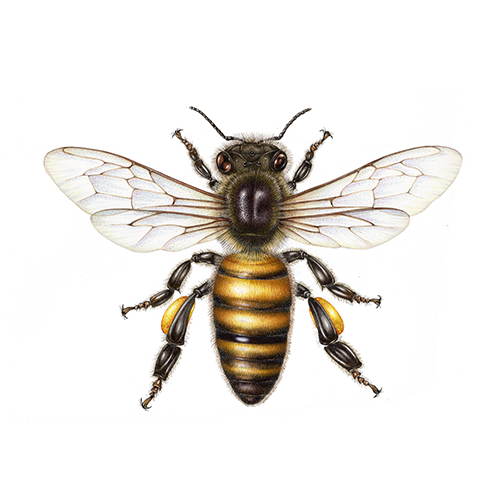 David (The Apiarist)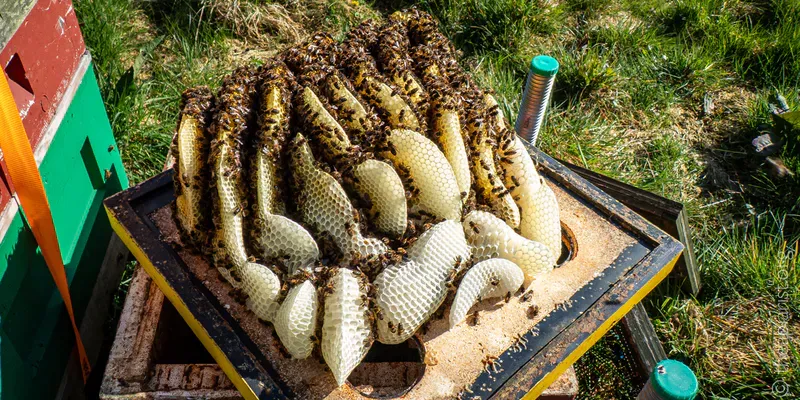
- Judgement Day (70%): How to make good decisions when beekeeping. Working with incomplete information, improving the information you have, and the consequences of getting it wrong (which looks suspiciously like more errors 😉).
 David (The Apiarist)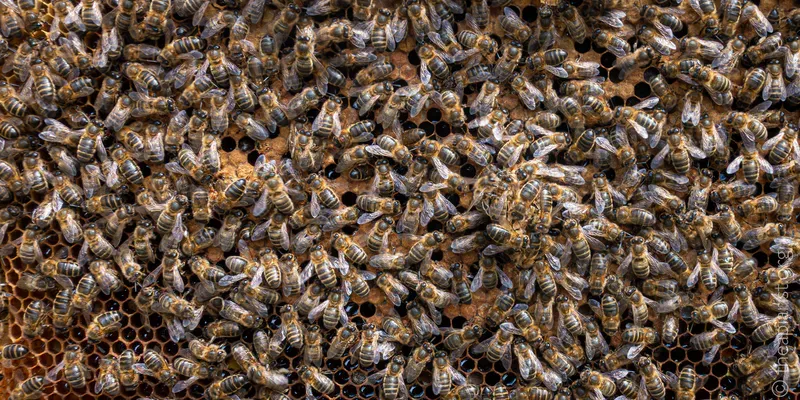
- Apiaries (70%): Apiaries provide the stage for the little dramas of beekeeping. Sometimes tragedy, sometimes comedy, but always memorable. What features are needed, and what should be avoided, in a good apiary? A post for beginners, written when I was searching for new apiaries.
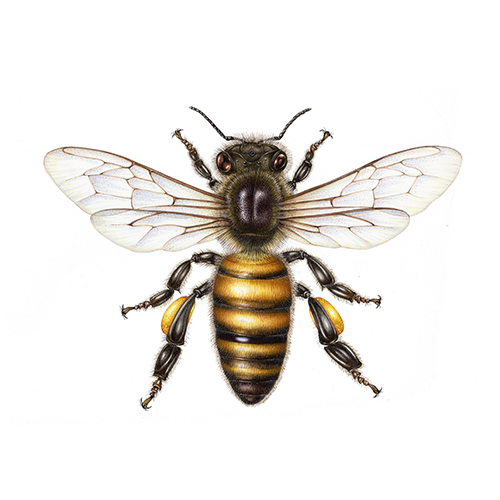 David (The Apiarist)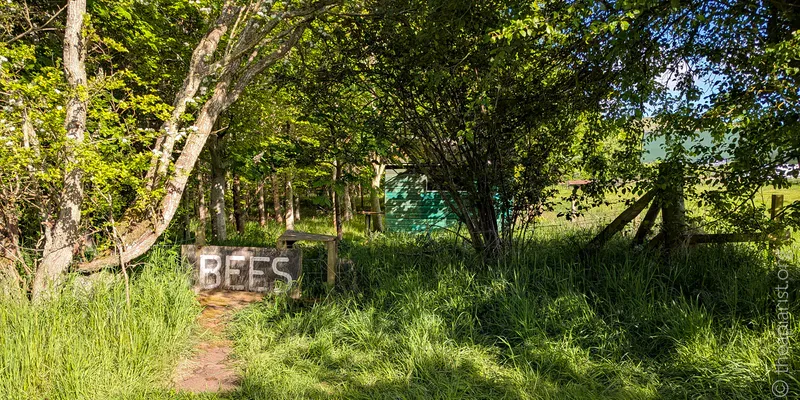
- The memory of swarms (70%): Swarms that deliver themselves to bait hives never abscond {{8}}, but the same is not true of bivouacked swarms that are hived. Why? These were my thoughts on the topic, and an attempt at collecting some data to support or refute them. I'll discuss this in more detail in the next month or two, but hope to get more data in the 2026 swarm season.
 David (The Apiarist)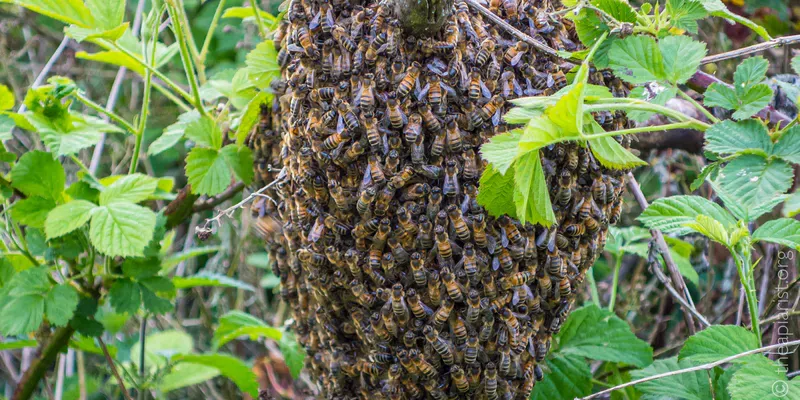
- Hives of horror (72%): I was stung more by wasps than bees this year. And I was stung by very few wasps. The continued popularity of this post (and similar ones) suggests that many beekeepers struggle with aggressive colonies. It doesn't have to be like that! These were my views on how to inspect them, how to avoid them, and a one-word summary on the increased productivity of aggressive colonies.
 David (The Apiarist)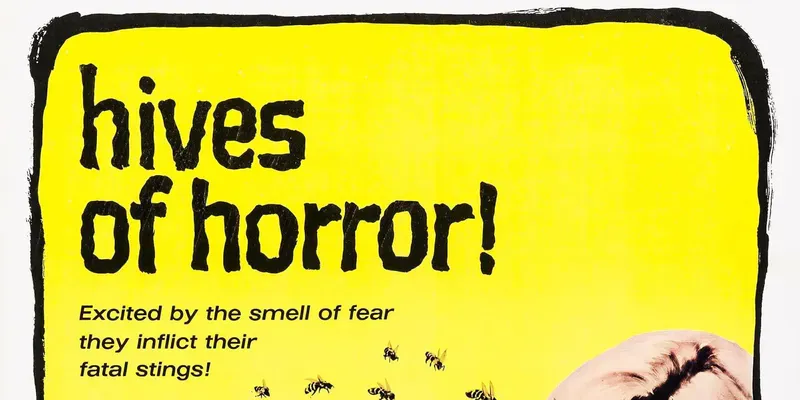
It's notable that these posts all appeared between April and June (inclusive). The engagement by all readers is higher at this time of the year, reflecting the fact that at least 90% of the readership is in the Northern Hemisphere.
Posts for sponsors
And now, the same treatment for posts written for sponsors of The Apiarist. As before, in reverse order.
- How to: the shook swarm (82%): A great method to combine with midseason miticides (if needed), or to quickly move a colony to fresh comb. Disliked by some beekeepers as it's “Hard on the bees”, which I think is nonsense. It might be hard on a few bees, but — done properly — it's usually very beneficial for the colony.
 David (The Apiarist)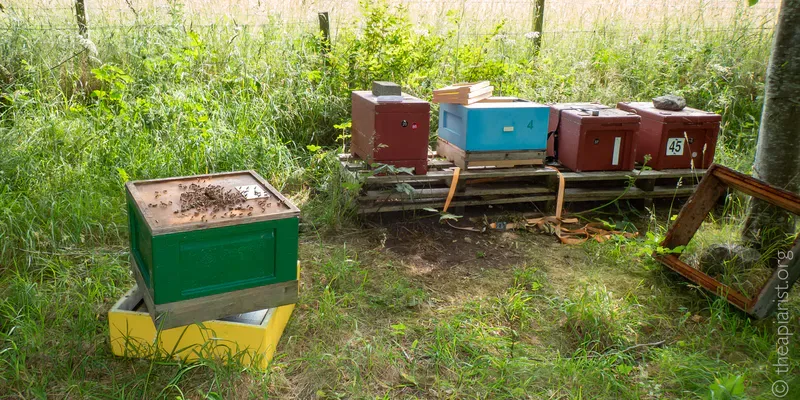
- More slow release oxalic acid goodness (83%): One of the new BeeMusings posts {{9}} which are intended to be 'short and sweet', this one describing elevated immune responses in bees exposed to VarroxSan-like oxalic acid in glycerol mixes. This might not be a good thing.
 David (The Apiarist)
- The queen cup-sized rabbit hole (84%): A slightly flawed study, but one of the most enjoyable posts I researched this year. If you thought all plastic queen cups were similar, think again … “If it looks like a JzBz cup, is the size of a JzBz cup, and the volume of a JzBz cup … it still might not be as good as a JzBz cup.” … and that's before you consider the increased larval acceptance rates in queen cups with thicker rims.
 David (The Apiarist)
- Swarms and queens (84%): A discussion of scout bee activity and waggle dance accuracy (with relation to finding your bait hive), together with my first results on rearing queens in 3D printed cell cups.
 David (The Apiarist)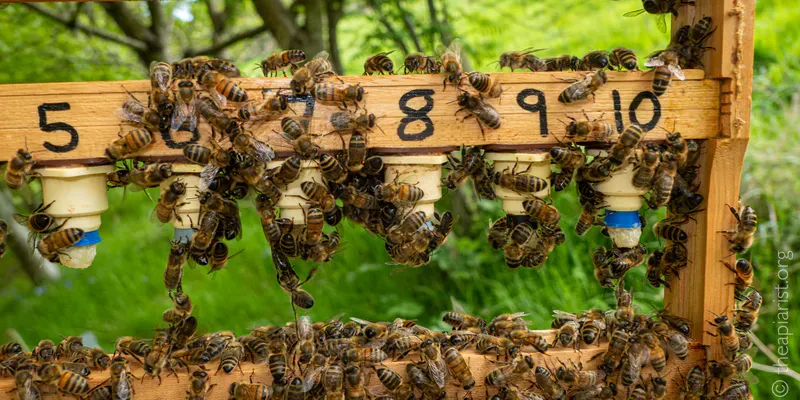
- Slow-release oxalic acid strips (85%): The popularity of this post reflects the continuing search by many beekeepers for effective Varroa control. VarroxSan is currently not licensed in the UK, but testing shows that the product shows good efficacy, a lack of toxicity and does not accumulate in the honey supers.
 David (The Apiarist)
In contrast to subscriber posts, those sent to sponsors show almost no seasonal variation in terms of open/read rates. These are the beekeepers who need their fix of bee and beekeeping information whatever the time of the year.
I know the feeling 😉.
Talking the talk
I've given 20 talks to beekeeping associations in 2025. I've had some great questions during the Q&A sessions afterwards, and attempted to provide appropriate answers.
Inevitably, sometimes I can't “think on my feet” (despite the fact that I'm usually sitting in front of a camera and microphone), and — only later — remember something important I should have included in my response. A few of these things will be woven into posts in the coming months.
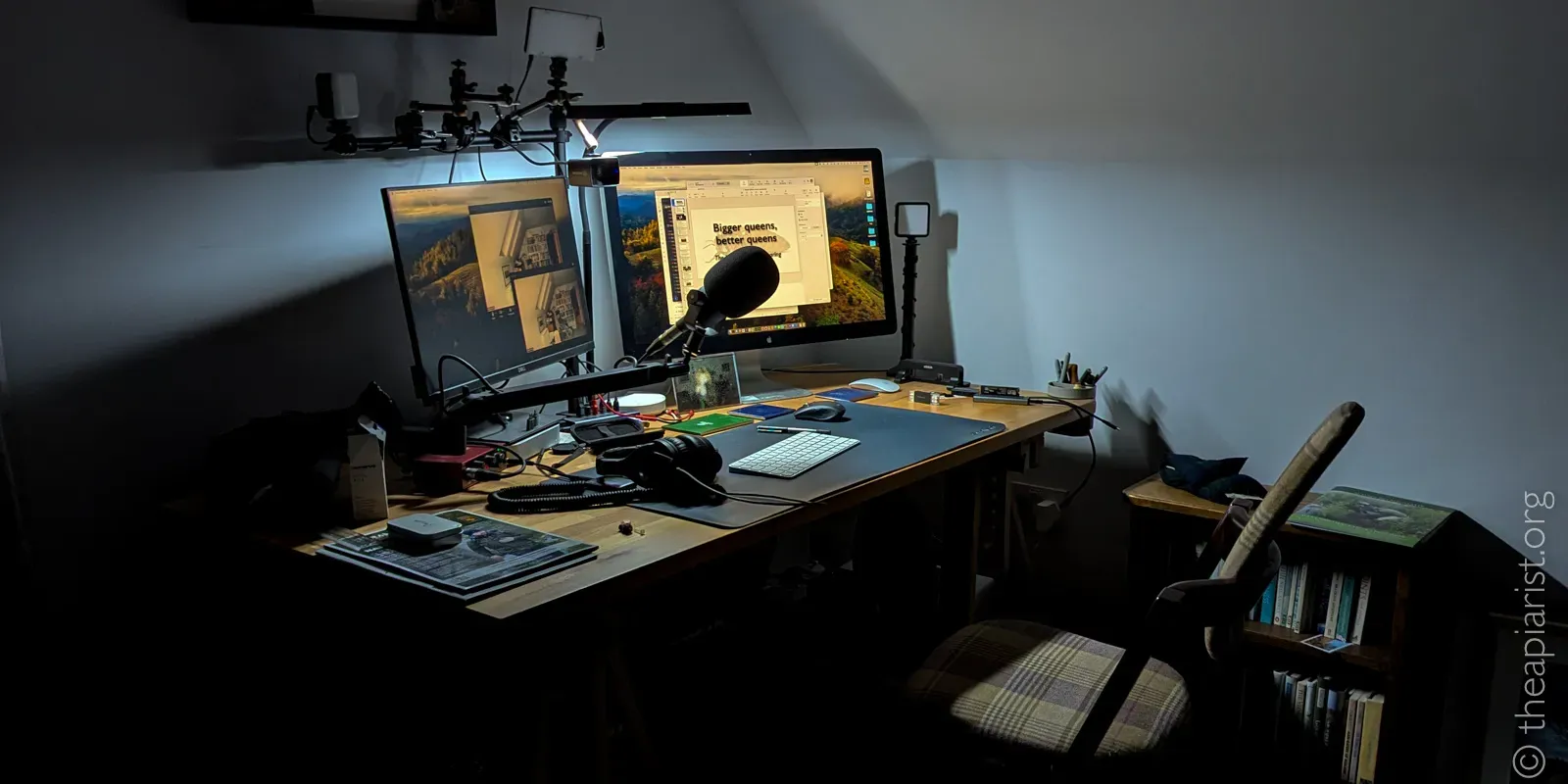
I'm reducing the number of talks I give in the 2026/27 winter season, and 25% of the 'slots' are already booked. If your association wants a talk on one of the topics I offer, then please contact me.
Future changes on The Apiarist
The move (in April '24) from WordPress to Ghost absolved me of ~90% of the system maintenance involved in running this website. This is now more-than-ably handled by Jannis who runs MagicPages, the hosting company for The Apiarist. If there are access issues not covered in the FAQ, then it's probably an 'upstream' event neither of us have much control over, but which (amazingly) Jannis can usually fix.
Any global problems are typically recorded here, and — if they are — I won't understand them 😉.
Nevertheless, there are subtle fixes and tweaks periodically introduced to the website.
The indexing has recently been upgraded, and access to individual posts is highlighted using a traffic light system on the index pages; yellow for subscribers, and blue for sponsors.
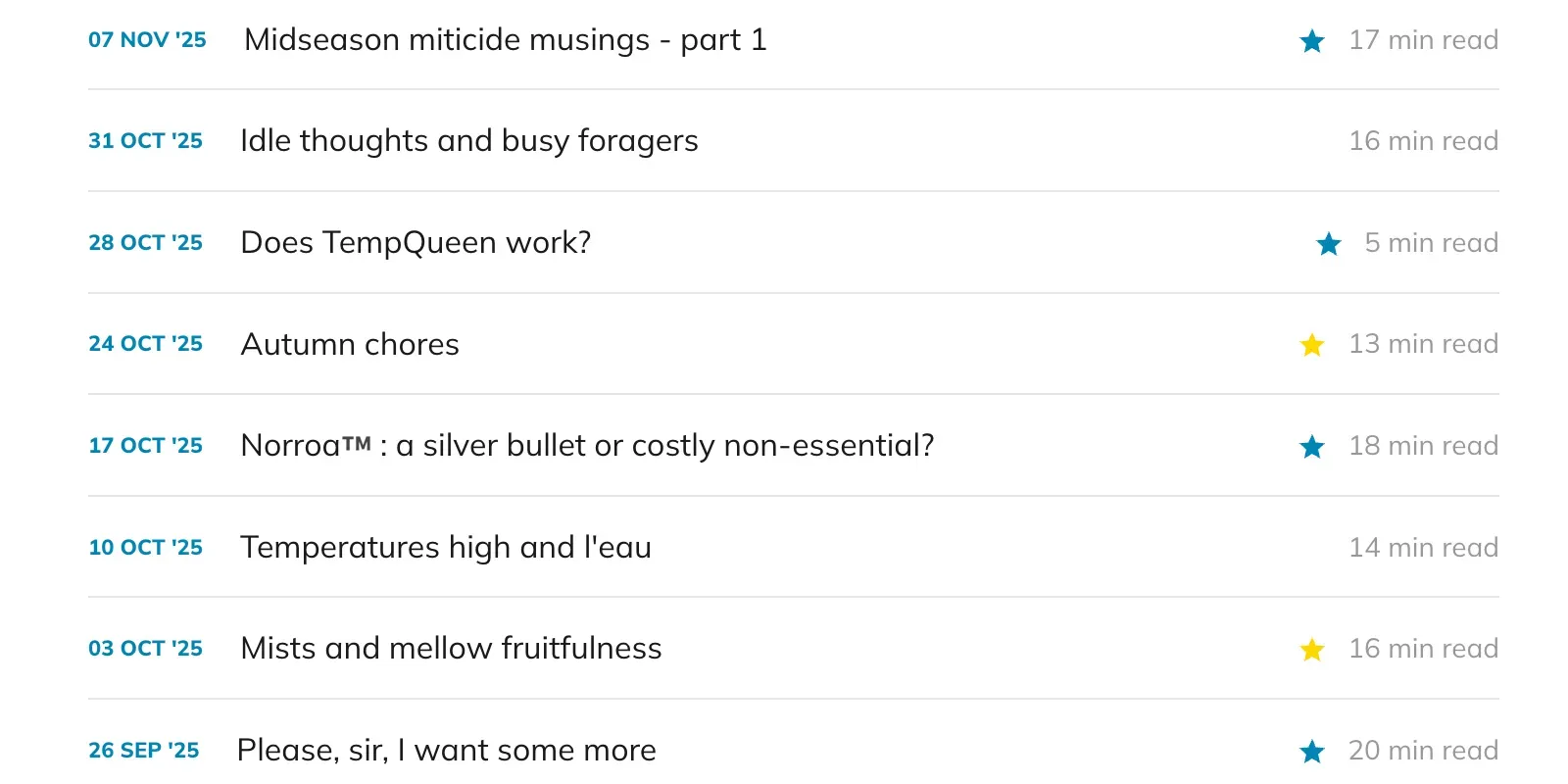
The short-format BeeMusings posts were introduced, but have turned out to be tricky to write (1000 words or 5 minutes is a bit short to do even the briefest topic justice). I've now realised I need to fix the indexing on these (or ask Jannis to 😉), and expect them to now be approximately monthly.
I'm exploring some other minor changes to the newsletter, largely so that subscribers are more aware of the sponsor-only posts (which they otherwise don't see).
I'll complete the 'tags' page to make things a bit easier to find, though tag-based searches only account for a few thousand visits per year, so it's low(er) on my list of priorities.
Other than that it's a case of steady as she goes.
I won't be writing more posts … I need to squeeze in some beekeeping to have something new to write about.
Happy holidays
It's two days until the winter solstice. Sunset, currently hovering around 3:38 pm, will then start to get later. There's still a lot of winter to get through, including the majority of the cold bits, but it's a start.
Before long, the oft-postponed preparations for the season ahead will become very obviously overdue, and then — always sooner than I think — it'll be time to start opening hives and putting into practice my winter scheming.
In the meantime, I'm busying myself with some advanced {{10}} DIY for next year's queen rearing, while trying hard to ignore the 3 kg of honey that leaked from a bucket in the honey warming cabinet 😱.
Whatever you are doing over the holidays, have a good one 😄.
If you want to avoid the AI 'slop' that increasingly contaminates beekeeping websites then please consider supporting The Apiarist. Sponsors ensure the continued existence of the site, and receive regular sponsor-only content. ChatGPT has never opened a hive or marked a queen, so why trust its judgement when seeking information or entertainment on the science, art, and practice of sustainable beekeeping?
Notes
The barista at Buy me a coffee appears to be on strike. I've had several emails saying that cards are declined, or postcodes are rejected. It's nothing personal, my cards are declined as well. I've emailed their technical support and been met by an echoing silence. Hello! Is there anybody there?
My barista appears to have returned to work …

If you've enjoyed reading The Apiarist, please consider becoming a sponsor. Alternatively, since my late-night writing is fuelled by caffeine and cake, you can help offset my outlay on these essentials by pressing this button. Thank you 😄
{{1}}: Both of which — if repeated — result in the address being automagically removed from the list of recipients.
{{99}}: Where these little popup footnotes are much easier to read.
{{2}}: Newsletter links look a bit weird, like this https://theapiarist.org/r/92c40918?m=1fb87f0d-78be-46d3-870c-c0569e50f010 … which helps the software determine which link was followed.
{{3}}: The number in brackets indicates the percentage of overall page views in the last 12 months. In addition, I'm excluding visits to the website homepage.
{{4}}: Since these are never sponsors, they cannot have read the page in the first place … would you trust an advertiser who tells porky pies?
{{5}}: Or, more accurately, didn't bother counting them.
{{6}}: If you want an example of how bad it can be, have a look at the garbage here … errors in the third sentence, and nonsense by the second paragraph … with The Apiarist cited as a source 😞. That site, one of about a dozen very similar ones (generated using similar prompts and templates), contribute nothing original to beekeeping. For another glaring example, see the comments on my portable queen cell incubator. I don't want to waste my time correcting ChatGPT's incorrect interpretations, or provide additional things it can bastardize.
{{7}}: Though sent to sponsors as well, of course.
{{8}}: At least, that's my experience. YMMV.
{{9}}: Which, I've just discovered to my horror, appear to be incompletely indexed. I will fix this ASAP.
{{10}}: Advanced for me, probably not for you.
Join the discussion ...